Work Zone & Traffic Control Guides
Practical writeups on buying, specifying, and running traffic control equipment. Written by people who have actually dropped 120 cones at 5 AM.
Road Cones for Sale: What to Buy in 2026 (and What to Skip)
Not every "road cone for sale" is a real road cone. Below is the contractor buying playbook — sizes, reflectivity grades, weighted bases, and the per-quantity price ranges to expect before any sales rep tries to upsell you.
Orange Construction Cones: What They Are, Why They're Orange, and Which Ones to Buy
Orange construction cones are not just orange-colored versions of regular cones — the fluorescent orange shade, base weight, and reflective collars are defined by federal standards. Here is what makes a cone "construction-grade" and which models to buy in 2026.
Construction Cones for Sale: The 2026 Contractor Buying Pillar Guide
A complete guide to buying construction cones in 2026 — sizes, reflective grades, base weights, accessories, bulk pricing, storage, and the upsells contractors should and should not pay for.
Barricade for Traffic: The 12 Questions People Actually Ask
When you need to barricade traffic — for a road closure, a parking lot, a construction zone, or an event — the choices are bigger than they look. Here are the 12 questions contractors and facility managers actually ask, answered straight.
Road Construction Cones: A 5-Question Decision Tree (and Exact Specs to Order)
Stop scrolling cone catalogs. Answer five questions about your job and this guide tells you the exact size, base weight, reflective grade, and quantity to order — with a budget alternate at each branch.
What Is a Type 2 Barricade? MUTCD Spec, When to Use It, and What to Buy
A Type 2 barricade is the two-rail version of the MUTCD barricade family — used when speeds, duration, or visibility needs exceed what a Type 1 can handle, but the job is not a full road closure.
Rubber Traffic Cones: When the Material Actually Matters
Rubber traffic cones are the heaviest, most impact-tolerant cone format on the market. They cost more than PVC and outlast PVC in heavy-impact use — but only some jobs need that durability.
Used Jersey Barriers for Sale: What to Inspect, What to Pay, What to Avoid
Used concrete Jersey barriers typically sell for $80–$180 each — about 40–60% off new. The catch is condition: rebar exposure, spalling, and impact cracks can make a $90 barrier worthless.
Temporary Barricades: A Pillar Guide to the Whole Family
A temporary barricade is any barricade meant to be deployed and removed within hours to months — covering everything from plastic A-frames to water-filled barriers to retractable belt stanchions.
Orange Cones on the Road: What They Mean and What You Should Do
Orange cones on the road mean a temporary traffic-control zone is active — a work crew, an accident response, a utility job, or a planned closure. They direct your line of travel and they have legal weight.
Water-Filled Jersey Barriers: Ballast, Crash Rating, and When to Use Them
A water-filled jersey barrier is a hollow polyethylene unit shaped like a concrete jersey wall — empty it weighs 80–150 lb and one person can drag it; filled with water it pushes 1,500–2,000 lb and stops a passenger car at 45 mph. Here is when the trade-off makes sense.
What Is a Type 1 Barricade? MUTCD Spec, Use Cases, and What to Buy
A Type 1 barricade is the simplest MUTCD barricade: a single horizontal rail mounted on an A-frame or single-post base, used for short-duration, low-speed work where a worker needs to channelize traffic but not close a road.
Road Delineators: What They Are, MUTCD Requirements, and Where to Buy
Road delineators are the slim, reflective posts that line the edge of a roadway, marking the travel path through curves, narrow shoulders, and active work zones. They are not channelizers, not barricades, and not bollards — a different MUTCD device with a specific role.
Parade Barricades: Picking the Right Type for Your Event Route
Parade barricades separate spectators from the route — but the right type depends on whether you are running a 500-person small-town parade, a 50,000-person municipal event, or a multi-day festival with a procession. This decision tree walks through the choices.
Barricades for Sale: Product Classes, Pricing, and Where to Buy in 2026
When you search "barricades for sale," you get six different product classes treated as one category — from $30 plastic A-frames to $260 water-filled jersey units. The right call depends on use case, not search volume. Here is the side-by-side.
Red Danger Tape: What It Means, When to Use It, and What to Buy (2026)
Red danger tape is the highest-severity barrier tape in the ANSI Z535 color hierarchy — it signals immediate danger, not general caution. Here is the spec, the legal use cases, and what to stock if you handle electrical, fire, or confined-space work in NJ.
Road Closed Barricade: Which One You Actually Need (Decision Tree)
There is no single "road closed" barricade. MUTCD specifies different devices for full closures, partial closures, detours, and emergency closures — and using the wrong one is a top reason municipal inspections fail. This guide walks the decision tree.
What Is a Retractable Barricade? (Three Different Devices, One Confusing Name)
The phrase "retractable barricade" covers three completely different devices: belt stanchions, accordion safety barriers, and electric retractable bollards. Which one you actually need depends on whether you are guiding people, walling off a hazard, or stopping a vehicle.
Traffic Cone Lights: MUTCD Types, Battery Life, and What to Buy
Traffic cone lights add nighttime visibility to standard cones and barricades. MUTCD §6F.83 splits them into Type A flashing, Type B high-intensity flashing, and Type C steady-burn — each with a specific job. Quick-answer guide below.
Weighted Traffic Cones: Base Weight Chart, Wind Ratings, and What to Buy
Whether a traffic cone stays upright in a 30 mph crosswind depends entirely on the base weight. Standard 28-inch cones come in 7, 10, and 12 lb bases — and the right pick varies by where you deploy them.
36 Inch Traffic Cones: When You Need Them, What They Cost, and How to Buy
36-inch cones are the MUTCD default for high-speed and nighttime work zones. Here is when the spec actually requires them, the price ranges to expect, and what to look for in a working set.
Orange Traffic Cones: What They Are, Why They Exist, and Which One to Buy
Orange traffic cones are the default channelizing device in U.S. work zones — but only some heights and reflective grades actually pass MUTCD inspection. Here is what the color means, what to buy, and what to skip.
Safety Cones for Sale: Price Tiers, What You Get, and Which to Skip
Safety cones run from $5 hardware-store units to $55 highway-grade gear. Here is a tier-by-tier comparison — what each price point actually buys, where each tier fails, and which one a Central NJ contractor should put on the truck.
28-Inch Traffic Cones: Spec Sheet, MUTCD Use, and What to Buy
The 28-inch traffic cone is the default size on most U.S. road work. Here is the spec, the MUTCD use case, base-weight options, reflective-collar requirements, and a buying recipe for NJ contractors — answered as quick FAQ.
Foldable Traffic Cones: The Complete Buying and Use Guide
Foldable traffic cones collapse flat for storage, then pop or spring back to full height in seconds. Here is how each mechanism works, when foldable beats rigid, where they fail, and what to buy for NJ contractor and emergency-response use.
Road Traffic Barriers: A Decision-Tree Guide to Picking the Right One
Concrete Jersey, water-filled, plastic Jersey, Type III barricade, steel guardrail — five common road traffic barriers, five different jobs. This guide walks the speed, duration, and impact questions to land on the right product the first time.
Delineator Cones: What They Are, When to Use Them, and What to Buy Instead (2026)
A "delineator cone" is the awkward middle child of work-zone hardware — taller and skinnier than a traffic cone, shorter and lighter than a drum. Most jobs that search for one actually want a tubular delineator or a channelizer cone. Here is how to tell which.
Reflective Traffic Cones: ASTM Sheeting Grades, Collar Specs, and Nighttime Inspection
Most "traffic cones" sold at hardware stores are not legal for nighttime road work. The reflective collars are too narrow, too low-grade, or missing entirely. Here is what reflective actually means on a cone.
Yellow Traffic Cones: When They Are Right (and When Orange Is the Only Legal Choice)
Yellow cones look like orange cones to most people, but they are not interchangeable on a public road. MUTCD reserves orange for traffic-control use; yellow is for caution-only or private-property settings. Here is the practical breakdown.
Event Barricades: Bike Rack vs. Plastic vs. Steel for Parades, Concerts, and Races (2026)
Event barricades are the perimeter, the queue line, and the crowd-management spine of any outdoor event. Pick the wrong type and you spend the day re-stacking knocked-over plastic. Here is the buying comparison.
Cheap Traffic Cones: When Bargain Cones Are Fine — and When They Will Cost You Far More
A $4 cone has a place: kid sports, driveway markers, garage parking. But the same cone on a 35 mph road will fail an MUTCD inspection and put a contractor on the hook. Here is the honest breakdown.
Construction Barricade: Types, MUTCD Rules, and What to Actually Buy
"Construction barricade" is a catch-all that covers four very different products: Type I, Type II, Type III, and water-filled barriers. Picking the wrong one is the #1 reason small contractors fail TCP inspection. Here is the full sort.
Plastic Traffic Barriers: When They Beat Concrete (and When They Do Not)
Plastic traffic barriers cost a third of what concrete does and a single contractor can deploy 100 ft in an hour. But they fail in two specific scenarios that catch buyers off guard. Here is the side-by-side and the buy guide.
Expandable Barricade: What It Is, When to Use One, and What to Pay
An expandable barricade is an accordion-style barrier that opens from 2–3 ft to 6–12 ft in seconds. Great for quick deployments, indoor crowd lines, and emergency-response setups. Here is when it beats a fixed barricade and when it does not.
Steel Barricades: When the Heavier, Pricier Option Pays Back
Steel barricades cost 2–3x what plastic does and weigh five times as much. They also last 10–15 years instead of 5–7 and survive vehicle strikes that destroy plastic. Here is the decision tree on when steel is the right buy.
Low Profile Airport Barricades: FAA Spec, Frangibility, and What to Buy
Airport-specific low profile barricades have to clear aircraft underbelly heights AND break away cleanly on impact — two requirements no roadway barricade is built for. Here is the FAA spec, the products that meet it, and what they cost.
Black Traffic Cones: When They Are Legal, When They Are Not, and What to Buy Instead
Black traffic cones look sharp, but they fail every MUTCD inspection on a public roadway. Here is when black cones are appropriate, when they are not, and what color you actually need for legal road work in NJ.
What Are Channelizer Cones? Tubular Markers, Drums, and the MUTCD Definitions
A "channelizer cone" is not always a cone. It is the MUTCD category that includes traffic cones, tubular markers, vertical panels, and drums — all the devices that channel traffic without barricading it. Here is how the categories differ and what to actually buy.
Low-Profile Barricades: When You Need Them, What They Cost, and What to Buy
Low-profile barricades sit under 12 inches tall, won't snag a snowplow or sweep, and pass MUTCD with the right reflective treatment. Here is when to choose them over standard Type II / III, and what the leading models actually cost.
Pink Traffic Cones: When They Are MUTCD-Compliant and When They Are Not
Fluorescent pink (technically pink-orange) cones became MUTCD-approved in 2023 — but only for one specific use case: incident response. Here is the decision tree for when pink is the right cone, when it is not, and what to buy.
18 Inch Traffic Cones: When They Are Legal, How to Use Them, and What to Pay
18-inch cones are the smallest MUTCD-allowed cone for any roadway use — and the rules on when you can deploy them are stricter than most contractors realize. Here is the size-by-speed chart, the pricing, and the buying guide.
Safe Barriers: A Buyer's Pillar Guide to Vehicle, Pedestrian, Fall, and Work-Zone Protection
"Safe barriers" is a category, not a product. The right one depends on what you're protecting against — a 55 MPH errant vehicle, a wandering pedestrian, an open trench, or a crowd at a festival. This guide maps the five hazard profiles to the SKUs that solve them.
Pedestrian Walk Signal: How It Works, MUTCD Spec, and What to Replace
A pedestrian walk signal is the WALKING PERSON / steady-hand / flashing-hand DON'T WALK device required at signalized crossings under MUTCD §4E. This guide answers what each phase means, the timing math, the countdown rule, and how contractors replace or upgrade a non-compliant head.
Green Traffic Cones: What They Mean and Where They Belong
Green traffic cones are not federally approved for public-roadway work zones. They show up in three legitimate places: APWA sewer-line utility marking, golf course / property wayfinding, and sports training — but the federal road-work standard is fluorescent orange.
Jersey Barriers for Sale Near Me: Concrete vs. Water-Filled vs. Plastic vs. Steel
"Jersey barriers for sale near me" usually means one of four products with very different prices, weights, and use cases. This decision tree picks the right barrier for your job — and explains the delivered-price math for Central NJ.
Custom Traffic Cones: When It's Worth It and What You'll Actually Pay
Custom traffic cones run $4–$12 over a stock cone for the printing, with 25-to-50-unit minimums and 2-to-4-week lead times. They make sense for branded company gear, security / event marking, and "RESERVED" parking enforcement — and don't make sense for one-off jobs or MUTCD-required road work.
Concrete Barriers for Sale: New, Used, and the Plastic Alternatives Worth Considering
New 10-ft Jersey-shape concrete barriers run $400–$700 each plus freight; used run $150–$350 if you can find them. Here is the side-by-side cost, freight, and use-case math against plastic and water-filled options.
Plastic Barricades: The Five Families, MUTCD Specs, and What to Buy by Job Type
Plastic barricades cover everything from $30 A-frames to $250 water-filled Jersey shapes. Here is the five-family breakdown — Type I, Type II, Type III, A-frame, water-filled — plus the MUTCD spec and price each one carries.
What Are Road Barricades? Types, MUTCD Requirements, and How They Differ from Barriers
A road barricade is a portable, striped-rail device used to channelize traffic, close roadways, or warn drivers of a hazard. The MUTCD defines three types — Type I, II, III — and most contractor confusion comes from mixing them up with barriers and crowd-control fencing.
White Traffic Cones: When to Use Them, When to Use Orange Instead
White traffic cones are NOT MUTCD-approved for road work — but they have legitimate uses for valet, weddings, sports practice, snow visibility, and interior facility routing. Here is the decision tree of when white is the right call.
Blue Traffic Cones: What They Mean, Where to Use Them, and the MUTCD Truth
Blue traffic cones are not a MUTCD-recognized roadway color. They show up in three legitimate places: utility/water-line work, fire-hydrant marking, and ADA accessible-parking visualization — but the federal road-work rule is still orange.
A-Frame Barricades: When to Use Them, What to Buy, and the Type II Confusion
A-frame barricades are the folding, free-standing units you see around utility cuts and sidewalk closures. Here is what they actually are, when they beat a Type II or Type III, and how to size and buy them.
Danger Tape vs. Caution Tape: OSHA Colors, ANSI Z535, and Which to Use
Danger tape (red) and caution tape (yellow) are not interchangeable — OSHA and ANSI Z535 give them different meanings. Here is what each color signals, when each is required, and what to buy.
Metal Barricades: Steel vs. Aluminum, Crowd Control vs. Pedestrian, Sizing & Costs
Metal barricades — steel or aluminum, interlocking or A-frame, with or without flat feet — are the workhorse for events, parades, and long-duration crowd control. Here is how to size, weight, and pick the right type.
Parking Lot Barricades: What to Use for Resurfacing, Reserved Rows, and Event Closures
Closing parking lot rows for resurfacing, reserving spots, or staging an event each call for a different barricade. Here is the decision tree, with weight, footprint, and damage-to-asphalt notes.
Traffic Cone Signs: Sleeve vs. Top-Mount vs. Dome — What to Buy and When
Traffic cone signs turn a 28-inch cone into a portable sign stand. Three mounting formats fit different jobs — here is the breakdown of sleeve, top-mount, and dome cone signs, and which to use.
Traffic Safety Supply: How to Pick a Supplier in 2026
A traffic safety supply company sells the cones, barricades, signs, and channelizers that go into MUTCD-compliant work zones. Not every supplier is equal - here is what separates a yard you can call at 6 a.m. from a catalog drop-shipper.
Small Traffic Cones: 4" to 18" Sizes Compared
Small traffic cones (4", 6", 9", 12", 18") are not roadway gear - they are floor markers, training cones, parking-stripers, and warehouse channelizers. Here is which size fits which job, and what NOT to use them for.
Traffic Safety Signs: A Contractor Buying Guide
Traffic safety signs are MUTCD-compliant warning, regulatory, and guide signs - usually orange (warning) or red (regulatory) for active work zones. Specs that matter: aluminum thickness, sheeting grade, and the stand they sit on.
Pedestrian Barriers: Types, Heights, and When to Use Each
Pedestrian barriers separate foot traffic from a hazard or active work zone. The right one depends on whether you are protecting pedestrians from a vehicle, a fall, or just keeping a queue orderly. Five types compared.
Plastic Jersey Barriers vs Concrete: Which One You Need
Plastic Jersey barriers (water-fillable) cost less, ship lighter, and redeploy in minutes. Concrete Jersey barriers crash-redirect at higher speeds and survive multiple impacts. Here is the decision tree.
Highway Cones: What They Are, MUTCD Sizing, and What to Buy (2026)
Highway cones are the 28" or 36" reflective traffic cones rated for travel-lane work at 45+ mph. Here is what separates a real highway cone from a parking cone, what MUTCD requires, and what to buy for NJ road work.
Large Traffic Cones: 28" vs 36" vs 42" - What to Buy in 2026
Large traffic cones means anything 28" or taller. Here is what 28", 36", and 42" cones actually cost, what they weigh, and which size is right for residential, state-route, and freeway work in NJ.
Safety Cones Near Me: Where to Buy in NJ (Same-Day Decision Tree, 2026)
Searching "safety cones near me" usually means you need them today. Here is a practical decision tree for NJ contractors - what to buy where, by quantity, by spec, by deadline.
Traffic Signs for Sale: Types, MUTCD Codes, and What to Buy (2026)
Buying traffic signs for road work, private property, or events? Here is the contractor buying guide - sign categories, MUTCD letter codes, reflective sheeting grades, and pricing for typical NJ jobs.
Red Cones: Are They Legal, What They Mean, and When to Buy Them (2026)
Red traffic cones aren't MUTCD-compliant for public road work - the standard is fluorescent orange. Here is when red cones are legitimately used (private property, military, fire, indoor) and what to buy if you need them.
Pedestrian Signs: A Complete Guide to MUTCD Categories, Sizes, and What to Buy
Pedestrian signs cover four MUTCD categories — warning (W11-2), regulatory (R1-6, R9-3), guide, and temporary work-zone (W11-15a). Here is what each does, the sizes you actually need, and how to choose between in-ground, portable, and overhead mounts.
Construction Caution Tape: Caution vs. Barricade vs. Danger — Which Roll to Buy
Construction sites use four different colors of plastic ribbon — yellow CAUTION, red DANGER, magenta RADIATION, and orange BARRICADE — and each has a specific OSHA meaning. Here is how to choose the right tape for the hazard, and what specs separate a roll that lasts a season from one that snaps in a week.
Traffic Safety Stores: How to Pick a Supplier (Decision Tree for Contractors)
Where you buy traffic safety gear matters more than what you buy — a $40 cone from a vendor with no inventory and a 10-day shipping window costs you more than a $55 cone delivered same-day. Here is the decision tree for picking a supplier, plus a 12-point vetting checklist.
What Are Barricade Covers? Fabric Skirts, Branded Wraps, and Jersey Barrier Sleeves
Barricade covers are printed or solid fabric panels that wrap around steel-frame, jersey, or bike-rack barricades — turning a utilitarian crowd-control unit into a branded perimeter, a sponsor sign, or a softer-looking event boundary. Here is what the four types are, what they cost, and when to use each.
No Parking Cones: Are They Legal, What Size, and How to Use Them Right
Setting cones in a parking spot to reserve or block it is one of the most common uses of traffic cones — and one of the most legally murky. Here is what actually works (and what gets ignored, towed, or fined) for businesses, residences, and event setups.
Bike Rack Barricades: Sizes, Quantities, and What to Buy for Crowd Control
Bike rack barricades — also called interlocking bicycle rack barricades or French barriers — are the standard for event crowd control, parade routes, and pedestrian channelizing. Sizes, weights, connectors, and how many you need.
Water Filled Barriers: Sizes, Crashworthiness, and What to Buy (2026 Guide)
Water filled barriers — also called water-filled jersey barriers — are the lighter, modular alternative to concrete for closures, parking-lot perimeters, and event channelizing. Here is how to size, ballast, and pick the right model.
Yellow Caution Tape: OSHA Color Codes, Sizes, and What Actually Holds Up
Yellow caution tape is the OSHA-color-coded "warning, watch your step" tape. Red is for danger, blue is for utilities. Here is the OSHA color reference, the mil thicknesses that hold up, and what to buy.
Traffic Cones Near Me: Same-Day Delivery vs. Big-Box Pickup (NJ Buyer's Guide)
Need cones today? Here is the actual comparison between local NJ delivery, hardware-store pickup, and online order — what each costs, what you actually get, and how to avoid showing up to the job with the wrong size.
Rubber Speed Humps vs. Speed Bumps: Which One You Actually Need
Speed humps and speed bumps look similar but slow traffic at different speeds and feel completely different to drivers. Here is the engineering difference, where each one belongs, and what to spec for a parking lot or private road.
Traffic Barricades: Every Type, What They Cost, and Which One You Need
"Traffic barricades" covers everything from a 4-foot Type I sawhorse to a 10-foot concrete jersey wall. Here is the full family breakdown — when each one is required, what they actually cost, and how to spec them for an NJ job.
Safety Cones: Sizes, Colors, and What to Buy for Workplace, Parking Lot, and Road Use
Safety cones are the catch-all term for any cone used to mark a hazard. The right one depends on whether you are protecting a wet floor, a parking valet line, or a 45 mph lane closure. Here is the size, color, and base-weight breakdown — plus what to buy.
Traffic Control Signs: The Three MUTCD Categories Every Contractor Has to Get Right
Every traffic control sign falls into one of three MUTCD categories — regulatory (white), warning (orange in work zones, yellow elsewhere), or guide. Each has different shape, color, and placement rules. Here is the working contractor reference.
Traffic Delineators: What They Are, How They Differ from Cones, and When to Use Each
A traffic delineator is a vertical retroreflective channelizer used to mark a path of travel. Confusingly, the word "delineator" gets applied to four very different products. Here is the definitional guide.
Road Barriers: Concrete, Plastic, Water-Filled, and Steel — Which One Do You Actually Need?
Road barriers fall into four practical buckets — concrete jersey, plastic jersey, water-filled, and steel guardrail. Each has a different speed-rating, deployment time, and cost. Here is the decision tree for picking the right one.
Construction Cones: What Makes a Cone "Construction-Grade" (and Why It Matters)
"Construction cones" is a search term for orange MUTCD-compliant cones used on active construction sites — but not every orange cone is construction-grade. Here is what separates a real construction cone from a hardware-store cone.
Traffic Cones for Sale: 18", 28", and 36" Cones with Same-Day Central NJ Delivery
Buying traffic cones is mostly a sizing problem — get the wrong height for the speed limit and you fail inspection. Here is the practical buying guide: sizes, base weights, reflective grades, and what to expect to spend.
Collapsible Traffic Cones: When to Use Them, When to Avoid Them, and What to Buy
Collapsible traffic cones fold flat to 1–2 inches, pop up to 18–28 inches, and let a single fleet vehicle carry 30+ cones in a back-seat duffle. They work great for emergency response and fleet jobs — and they fail hard for full-day work zones. Here is when to use them and what to buy.
Rubber Speed Bumps: Sizes, Install, and What to Buy for a Parking Lot or Private Drive
Modular rubber speed bumps install in 30–60 minutes, cost a fraction of asphalt speed humps, and survive 5–10 years of plow trucks. Here are the sizes, what to buy for a parking lot vs a private drive, and where most installs go wrong.
Traffic Barrels (Channelizer Drums): What They Are, Why DOTs Use Them, and What to Buy
Traffic barrels — officially "channelizer drums" in the MUTCD — are the 36-inch orange-and-white striped drums that replace cones on highway tapers. Here is the MUTCD spec, when DOTs require them over cones, and what to actually buy.
Traffic Barriers Compared: Concrete, Plastic, Water-Filled, and Steel — Which One Belongs on Your Job?
Traffic barriers split into four practical classes: concrete jersey, plastic jersey, water-filled, and steel guardrail. The choice is driven by speed, deflection allowance, install time, and budget. Here is the decision tree most contractors actually use.
Crowd Control Barriers: Types, Sizes, and What to Buy for Events and Worksites
Crowd control barriers — also called pedestrian barriers, French barriers, or bike-rack barricades — are the interlocking 8-ft steel panels you see at parades, marathons, concerts, and security perimeters. Here is the size guide and what to actually buy.
Pedestrian Crossing Signals: MUTCD Rules, Types, and When You Need One
WALK / DON’T WALK heads, RRFBs, HAWK signals, in-pavement flashers — they are not interchangeable. MUTCD picks the right one based on speed, volume, and crossing distance. Here is the call.
Safety Pylons vs Traffic Cones vs Delineators: What Each One Actually Is
"Safety pylon" gets used for at least three different products: a tall traffic cone, a tubular delineator, and a flexible bollard. Here is which is which, what each one is for, and what to actually buy.
Street Cones: How to Use Them on Neighborhood, Municipal, and Utility Work
Street cones are the same product as traffic cones — but the way you deploy them on a residential street, a sidewalk closure, or a water-main break is different from a freeway work zone. Here is the actual playbook.
Why Orange Cones Are Orange — and What Each Spec Actually Means
Orange cones look the same to most people. Up close they vary on six specs that decide whether a cone passes a DOT inspection — color shade, sheeting, height, base weight, body construction, and spacing.
Traffic Cones: The Contractor’s 2026 Buying Guide (Sizes, Weights, MUTCD Specs)
Stop guessing on cone size, base weight, and reflective collar specs. The exact specs we ship most often, what the MUTCD actually requires, and how many cones a typical NJ work zone burns through in a year.
Hazard Cones vs. Traffic Cones: When You Need a Wet-Floor Cone, a Caution Cone, or a Real Road Cone
"Hazard cone" is a fuzzy term — it could mean a 12-inch wet-floor sign, a yellow caution cone, or a full 28-inch road cone with reflective collars. Here is which one each situation actually needs.
What Is a Traffic Pylon? (And When to Use One Instead of a Cone)
A "traffic pylon" is the formal term for an orange traffic cone — but in some industries it specifically means the taller, slimmer tubular variant. Here is the difference, when to use each, and what to buy.
Pedestrian Crossing Signs: MUTCD Codes, Where Each Goes, and What to Buy (2026)
W11-2, S1-1, R1-6, RRFB — the alphabet of pedestrian crossing signs is confusing until you map it to the actual situation. This guide pairs every common sign with the use case, the MUTCD code, and what to order.
Traffic Safety Cones: The Complete Guide (Sizes, Standards, Use Cases, and What to Buy)
Traffic safety cones are the most-used channelizing device on US roads — but most people buy the wrong size. This is the pillar guide: every size, color, weight, MUTCD spec, and use-case in one place.
Parking Cones: What to Buy for Lots, Garages, and Private Property (2026 Guide)
Most "parking cones" people buy are too short, too light, and fade in 18 months. Here is the size, weight, color, and quantity to actually order for a lot, garage, or event — plus what to skip.
NJDOT Work Zone Standards: The Contractor's Quick Reference (2026)
A practical reference to NJDOT work zone standards: what NJ adds on top of the federal MUTCD, the documents that govern your job, and the inspection points NJDOT actually checks.
How to Build a Temporary Traffic Control Plan for a Small Utility Job (NJ Field Guide)
A practical, MUTCD-compliant template for building a TTC plan for a small utility job — water service, gas tap, fiber pull. Includes the gear list, sign placement, taper math, and what NJ municipalities actually want to see on the permit.
MUTCD Taper Length Formula: How to Calculate Lane-Closure Tapers (With NJ DOT Examples)
Two MUTCD taper formulas, three worked NJ examples, and a quick-reference table for 25–65 mph roads. Plus what NJDOT and municipal permits add on top.
Type I vs Type II vs Type III Barricades: Which One Do You Need? (Contractor's Quick Guide)
Type I and II are channelizers (1 or 2 rails) for short daytime work. Type III is the heavy-duty road-closure barricade — three rails, 60+ inches tall, required by MUTCD for any full closure or detour. Here is when you actually need each.
Road Cones vs. Traffic Cones: Sizes, Colors, and What MUTCD Actually Requires
"Road cones," "traffic cones," and "street cones" all describe the same gear — but only some sizes and reflectivity grades actually pass MUTCD inspection. Here is the size-by-application guide and what to buy.
Pedestrian Crosswalk Signs: MUTCD Specs, Sizes, and Placement
Pedestrian crosswalk signs warn drivers and route walkers around hazards. The MUTCD defines distinct sign types for crosswalks, school zones, and work-zone pedestrian routing. Here is the working reference.
Road Signals and Signs: A Contractor Guide to Work-Zone Devices
Signs warn, regulate, and guide. Signals control. The MUTCD splits the road-device world into distinct families, and a contractor needs to know which one to deploy when. Here is the working reference.
Jersey Barricades: Plastic vs. Concrete, Sizes, and When to Use Them
A "Jersey barricade" is the J-shape barrier born on New Jersey highways and now made in plastic for events and parking lots, concrete for highway work. Here is the working guide to choosing them.
Barricades: Types, Uses, and How to Pick the Right One
Barricades come in five families — Type I, Type II, Type III, water-filled, and pedestrian — each one solving a different MUTCD problem. Here is the working contractor reference.
Cone Zone: How Contractors Build a Compliant Work Zone
A "cone zone" is the everyday name for a temporary traffic control work zone — the cones, drums, signs, and arrow boards that protect a crew on the road. Here is how to build one that actually passes inspection.
Traffic Controller Sign (Flagger Ahead): MUTCD Specs and Placement
The "Traffic Controller" or "Flagger" sign — MUTCD W21-7 — warns motorists of an upcoming flagger station. Here are the specs, the placement distances, and the rules for using a roll-up version on a work zone.
What Is an Official Traffic Control Device? MUTCD Definition
The MUTCD defines an "official traffic control device" as any sign, signal, marking, or channelizer placed by the public authority responsible for the road. Here is what that means for contractors who set them up.
MassDOT-Qualified Traffic Control Equipment: A Contractor Guide
What "MassDOT qualified" actually means for traffic control equipment, which devices need formal qualification, and how Massachusetts contractors keep their work zones inspection-ready.
How Many Traffic Cones Do You Actually Need for a Lane Closure? (NJ MUTCD Guide)
For a typical single-lane closure on a 40 mph NJ road you need roughly 20–30 cones. Here's the MUTCD formula, worked examples for 25–55 mph roads, nighttime rules, and what NJDOT adds on top.
Traffic Control Devices: Types, Standards, and How to Order Them
A contractor-focused breakdown of traffic control device categories — cones, signs, barricades, arrow boards, and signals — with MUTCD standards, sizing rules, and ordering guidance.
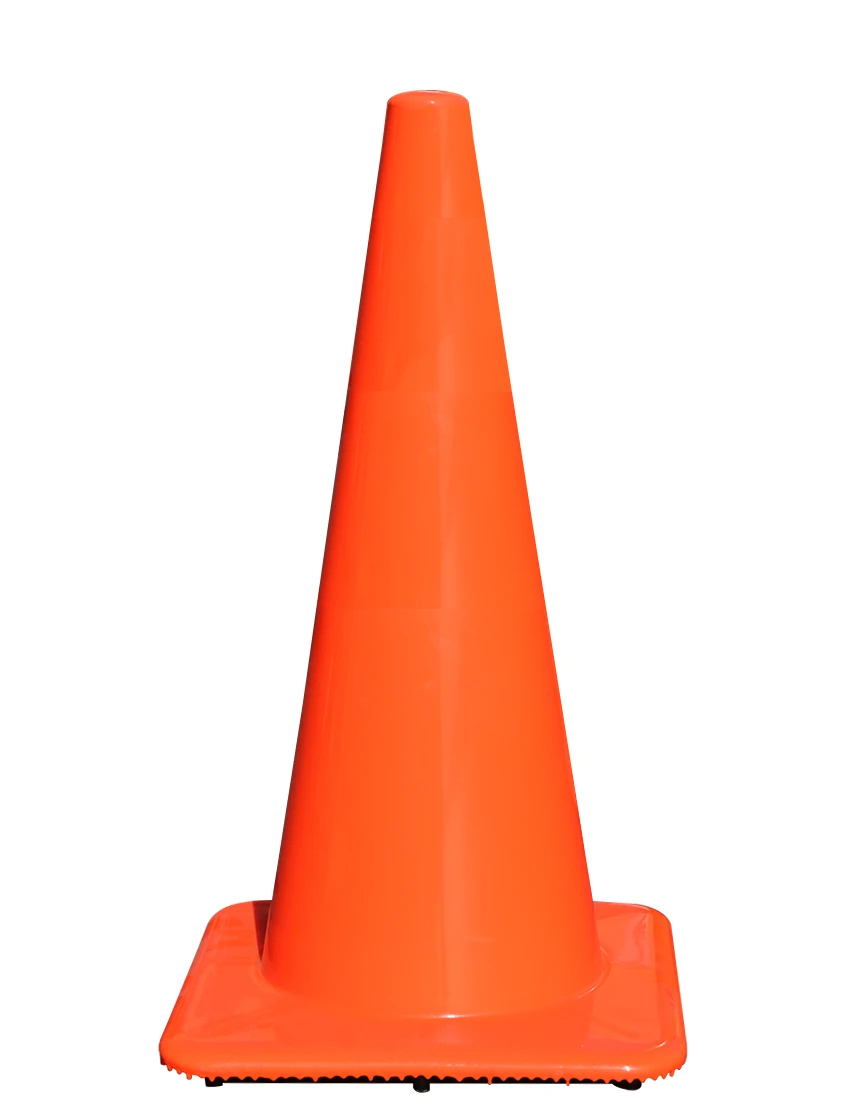
Portable Traffic Control Devices: A Crew-Tested Equipment Guide
Portable signals, cones, rumble strips, and barricades for short-term or mobile work zones. NCHRP 350 / MASH ratings, ATSSA standards, and when to use each type.

Automated Flagger Assistance Devices (AFADs): What They Are and When to Use One
A technical guide to AFADs: how they work, MUTCD Section 6E.04 rules, when to use STOP/SLOW vs. Red/Yellow Lens models, and typical purchase costs.
What Are Uniform Traffic Control Devices? An MUTCD Field Guide
A comprehensive breakdown of uniform traffic control devices, MUTCD standards, and how each device category keeps work zones and traffic safe. Written for contractors and DOT crews.